
Why Are My Plant's Leaves Turning Yellow?
September 8, 2026
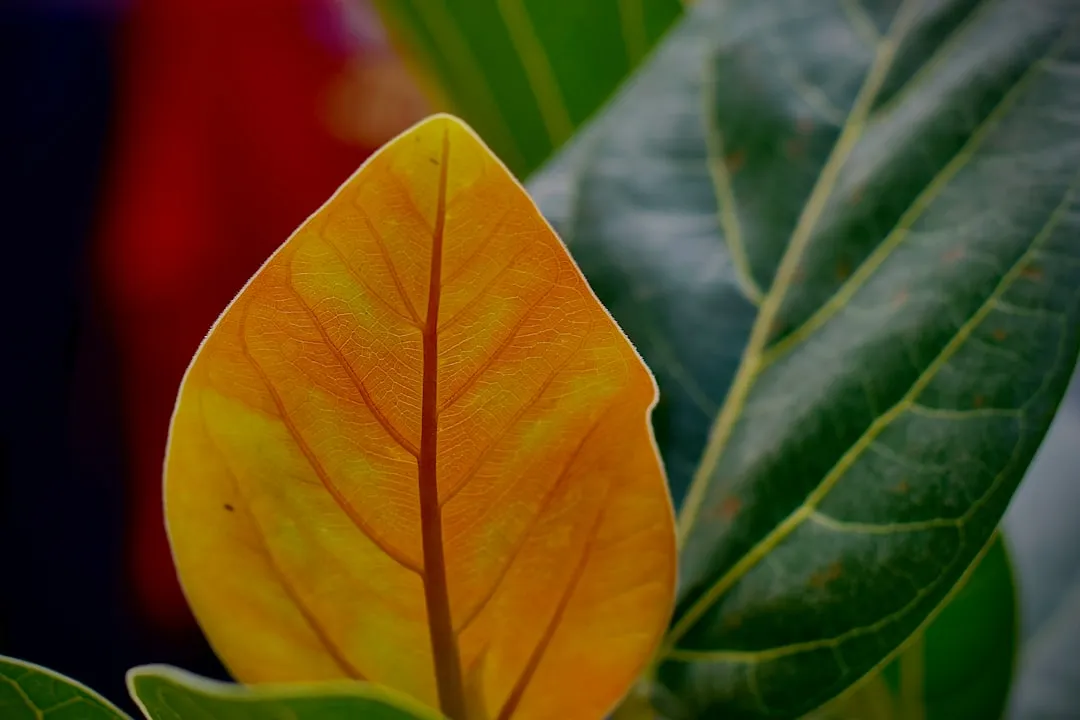
Yellow leaves are the houseplant equivalent of a check engine light. Something is off, but the color alone doesn’t tell you what — overwatering, underwatering, low light, no fertilizer, and a plant simply retiring an old leaf can all produce the exact same shade of yellow.
The information isn’t in the color. It’s in the pattern: which leaves went yellow, where on the plant, how fast, and what the soil was doing while it happened. Here’s how to read it.
First, one yellow leaf is not a problem
Plants shed old leaves. That’s the whole job description of a bottom leaf — grow, work for a year or two, get shaded out by newer growth, and get recycled.
If the yellow leaf is the lowest one on the vine, it went yellow slowly and evenly, and everything above it looks great, your plant is fine. Pull it off and get on with your day. Worry starts when it’s more than one, when it’s happening fast, or when it’s happening on new growth.
Overwatering is the most common cause by far
If several leaves are yellowing at once and the plant looks generally sad, check the soil before you check anything else.
Roots need air as much as they need water. Clemson’s Home & Garden Information Center puts it plainly: the main cause of death of potted plants is over-watering, because roots surrounded by water can’t take up oxygen. Once roots start suffocating and rotting, they stop delivering water to the leaves — and the leaves go yellow, then limp, even though the pot is soaking wet.
The tells:
- Soil that’s still damp several inches down, days after you watered
- Yellowing that starts at the bottom of the plant and includes soft, limp, sometimes translucent leaves rather than crispy ones
- A sour or swampy smell from the soil
- Fungus gnats drifting up when you water — they’re a symptom of chronically wet soil
The fix isn’t a lighter splash of water more often. It’s watering thoroughly, then not watering again until the top inch or two of soil is genuinely dry. And it only works if the pot can actually drain, which is half the battle right there. A pot with no drainage hole, or one sitting in a saucer full of runoff, keeps the roots underwater no matter how careful you are with the watering can.
Underwatering looks surprisingly similar
Frustrating but true: a plant that’s too dry also drops yellow leaves, because it sacrifices older foliage to keep the newest growth alive.
The difference is in the texture and the soil. Underwatered yellow leaves feel dry, thin, and papery, often with brown crispy edges, and the soil has pulled away from the sides of the pot. Overwatered ones feel soft and heavy, and the soil is wet.
When in doubt, stick a finger two inches into the soil. That one move settles most yellow-leaf mysteries.
Not enough light
A plant in too dark a corner slowly gives up its lower and inner leaves. It can’t run enough photosynthesis to justify them, so it pulls the resources back and lets them go.
This one is gradual — weeks, not days — and it usually comes with company: long stretches of bare stem between leaves, smaller new leaves than the old ones, and vines reaching toward the window. That combination is legginess, and yellowing lower leaves are part of the same story.
Move the plant somewhere brighter but out of direct afternoon sun and the new growth will tell you within a month whether you got it right.
Direct sun can also bleach leaves, but that looks different: pale, washed-out, sometimes scorched patches on the leaves that face the window, rather than whole leaves going uniformly yellow.
Hungry, not sick
Potting mix runs out of nutrients. If your plant hasn’t been repotted or fed in a couple of years and the oldest leaves are fading to a pale, even yellow-green while the plant otherwise looks healthy and is still growing, it’s probably just hungry.
There’s a reason it starts at the bottom. Iowa State’s extension service explains that older, lower leaves usually turn pale green to yellow first because nitrogen is a mobile nutrient that moves to newer growth when supplies are limited. The plant is quietly robbing its old leaves to build new ones.
The fix is a diluted balanced fertilizer during the growing season — but go easy, because overfeeding causes more houseplant problems than underfeeding. If the plant is also root-bound, fresh mix and a slightly bigger pot will do more than fertilizer will.
Yellow new growth is a different story
Everything above starts with the oldest leaves. When the newest leaves come in yellow, the diagnosis changes.
The classic pattern is yellow leaf tissue with veins that stay distinctly green — interveinal chlorosis on the newest leaves, which usually points to iron. Iron doesn’t move around inside the plant the way nitrogen does, so a shortage shows up in new tissue first.
The catch is that it’s often not a shortage of iron in the pot at all. High soil pH, cold soil, and overwatering can all keep a plant from absorbing the iron that’s already there. So before you buy anything, fix the watering and check that the plant isn’t sitting in cold, sodden mix — that solves it more often than a supplement does.
The mottled, speckled kind of yellow
If the yellowing looks stippled rather than solid — tiny pale dots and flecks spreading across a leaf, often with fine webbing in the leaf joints or sticky residue on the surface — that’s not a care problem. That’s spider mites or another sap-feeding pest draining the leaf cell by cell.
Flip the leaves over and look at the undersides in good light. Pests are much easier to catch early, which is exactly why quarantining new plants is worth the trouble.
Sometimes it’s just change
Plants yellow off a leaf or two after any disruption: a move to a new home, a repot, a big swing in light, a cold draft from a door in fall, or the first few weeks of running the heat.
If the plant recently went through something and the yellowing stops after a leaf or two, that’s adjustment, not decline. Hold your routine steady and let it settle rather than layering on a fix for a problem it doesn’t have.
Should you cut the yellow leaf off?
Once a leaf is yellow, it isn’t coming back — chlorophyll doesn’t regenerate in dead tissue. But the plant may still be pulling nutrients out of it, so there’s no rush.
Leave it if it’s still partly green. Remove it once it’s fully yellow or browning, either by snipping the stem near the base or by giving the leaf a gentle tug. Clearing them out keeps decaying material off the soil surface and makes it much easier to tell whether the problem is still spreading.
A five-minute diagnosis
Work through it in this order:
- Finger in the soil, two inches down. Wet after several days means overwatering. Bone dry and pulling from the pot means underwatering.
- Which leaves? Bottom and oldest points to water, light, or nutrients. Newest growth points to iron and pH. Scattered and speckled points to pests.
- How fast? Days means water. Weeks to months means light or feeding.
- What’s the texture? Soft and limp means too wet. Dry and papery means too dry.
- Check the undersides. Rule out pests before you change anything else.
Nine times out of ten, you’ll land on watering — and the honest fix is usually to water less often but more thoroughly, in a pot that drains.
Ready to give your plants a pot that drains properly? Shop the pieces below.
Photo by Indivar Kaushik on Unsplash.