
How to Bring a New Houseplant Home (Without Bringing Pests With It)
August 31, 2026
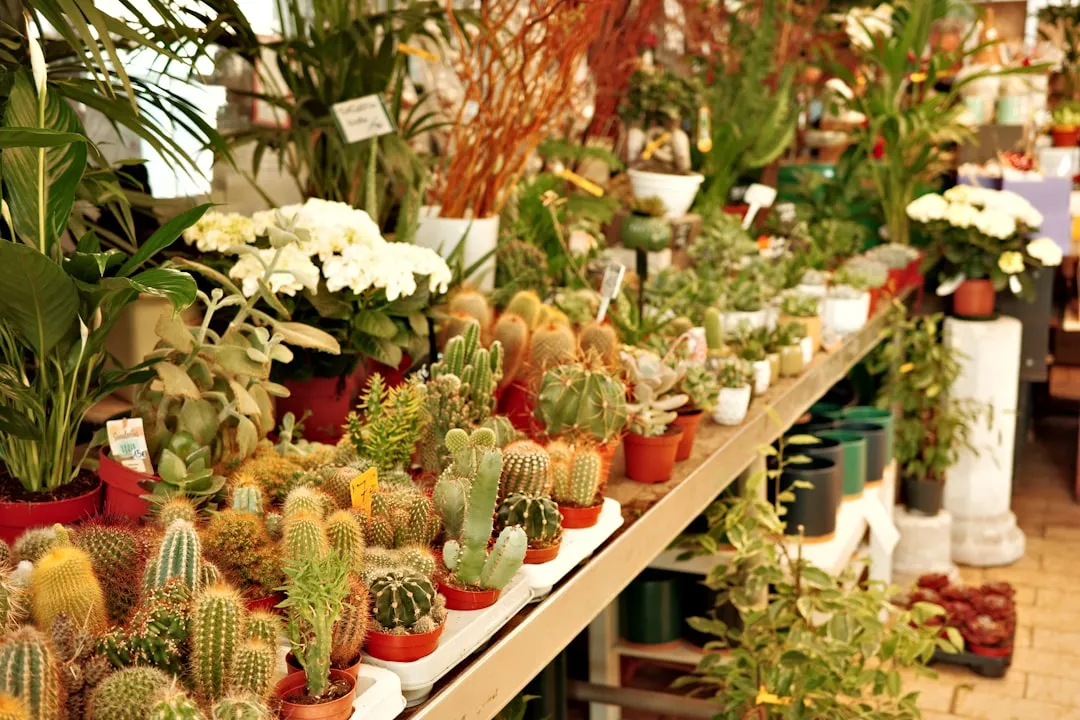
The plant looked perfect at the shop. Three weeks later it’s dropping leaves, and the pothos on the shelf next to it has sticky spots on the undersides of its foliage. This is the most common way a healthy plant collection goes sideways — not from bad care, but from a new arrival that came with company.
The fix is a routine, and it takes about ten minutes of attention spread over a few weeks.
Inspect it before you pay for it
Greenhouses are warm, humid, and packed with plants inches apart. That’s ideal for growing and equally ideal for pests spreading. Before a plant goes in your cart, spend a minute on it:
- Flip the leaves over. Almost everything that matters lives on the undersides, not the tops.
- Look where the leaf meets the stem. Those joints are where pests tuck in first.
- Check the soil surface. Poke it. If a cloud of tiny black flies lifts off, that’s fungus gnats — fixable, but you’re choosing to take them home.
- Lift the pot and look at the drainage hole. Roots circling out the bottom in a tight mat mean the plant is root-bound and has probably been sitting a long while.
- Skip anything with yellowing lower leaves and mushy stems. That’s usually a watering history you can’t undo.
If two plants on a bench look infested, be suspicious of every plant on that bench. Pests don’t respect pot boundaries.
Know what you’re looking for
Three pests do most of the damage on houseplants, and all three are easier to catch on day one than on day thirty.
Spider mites are the ones people miss longest. They’re nearly too small to see — what you actually notice is fine webbing in the leaf joints and a faint stippled, dusty look across the leaf surface. Twospotted spider mites thrive in warm, dry indoor air, which is exactly what your living room becomes in winter.
Mealybugs look like small tufts of white cotton wedged into stem joints and leaf axils. If you see what looks like lint on a plant that shouldn’t have lint, that’s a mealybug colony.
Scale is the sneakiest, because it doesn’t look like an insect at all — just small brown or tan bumps along a stem, firmly attached, easy to mistake for part of the plant. Scale insects can be scraped off with a fingernail, which is the quickest way to confirm what you’re looking at.
You’ll also sometimes find sticky residue on the leaves or on the shelf below the plant. That’s honeydew — waste from sap-feeding insects — and it means something is feeding even if you haven’t spotted it yet.
Quarantine for two to three weeks
This is the single highest-value habit in houseplant care, and almost nobody does it.
Put every new plant somewhere physically separate from your collection — a different room, a bathroom counter, a spare shelf across the house. Not the same windowsill, not the same shelf with a gap. Pests crawl, and a few inches is not a barrier.
Two to three weeks is the window because pest eggs already on the plant need time to hatch. A plant that looks clean on day one can be visibly infested on day twelve. If nothing appears by the end of week three, it’s clear to join the others.
Check it every few days while it’s isolated. Flip the leaves, look at the joints, look at the soil. It takes thirty seconds.
If you do find something, you’ve contained it to one plant instead of a shelf: wipe the leaves down with a damp cloth on both sides, dab visible mealybugs or scale off with a cotton swab dipped in rubbing alcohol, and keep the plant isolated until you’ve gone two full weeks with no new signs.
Resist the urge to repot immediately
It’s tempting. The nursery pot is ugly, you already have a nicer one, and repotting feels like a proper welcome.
Do it later. A plant that just moved from a greenhouse to your house is already adjusting to different light, humidity, temperature, and airflow all at once. Repotting adds root disturbance on top of that, and the combination is what produces the dramatic leaf drop people blame on “transplant shock.”
Give it two to four weeks in its nursery pot. Once it’s pushing new growth, it’s telling you it has settled — that’s your green light. Slip it into a decorative cachepot in the meantime if you can’t stand the plastic.
The one exception: if the plant arrived sitting in soggy, sour-smelling soil, deal with that now. Waterlogged roots don’t get better with patience.
Water less than you think for the first month
Nursery plants are usually watered on a heavy, consistent schedule under bright light and good airflow. Your home has less of all three, which means the same pot of soil will now dry out considerably more slowly.
Don’t inherit the greenhouse’s schedule. Check the soil with your finger and water when the top inch or two is genuinely dry. Most new-plant deaths in the first month are overwatering by someone being attentive.
Ease it into its light
A plant grown under greenhouse light and then dropped into a south-facing window can scorch in a couple of days. Start it somewhere with bright, indirect light and move it toward its final spot over a week or two if you want it brighter.
Some leaf loss during this transition is normal, especially on the oldest, lowest leaves. The plant is shedding foliage it grew for different conditions. Watch the new growth instead — that’s the honest signal of whether it likes where it’s living.
Then set it up properly
Once quarantine is over and the plant is pushing new leaves, that’s the moment to do the real setup: repot if it needs it, and give it something to climb if it’s a climber.
Pothos, monstera, and philodendron all arrive from the nursery trained around a small hoop or trailing loose over the pot edge — neither is how they actually grow. Getting support in early, while the vines are still short and flexible, is much easier than untangling a three-foot vine later. It’s also what brings on the bigger, more mature leaves these plants are capable of.
Ready to get started? Shop the pieces below.
Photo by daniel mironov on Unsplash.