
When to Repot a Houseplant (and How to Do It Right)
July 11, 2026
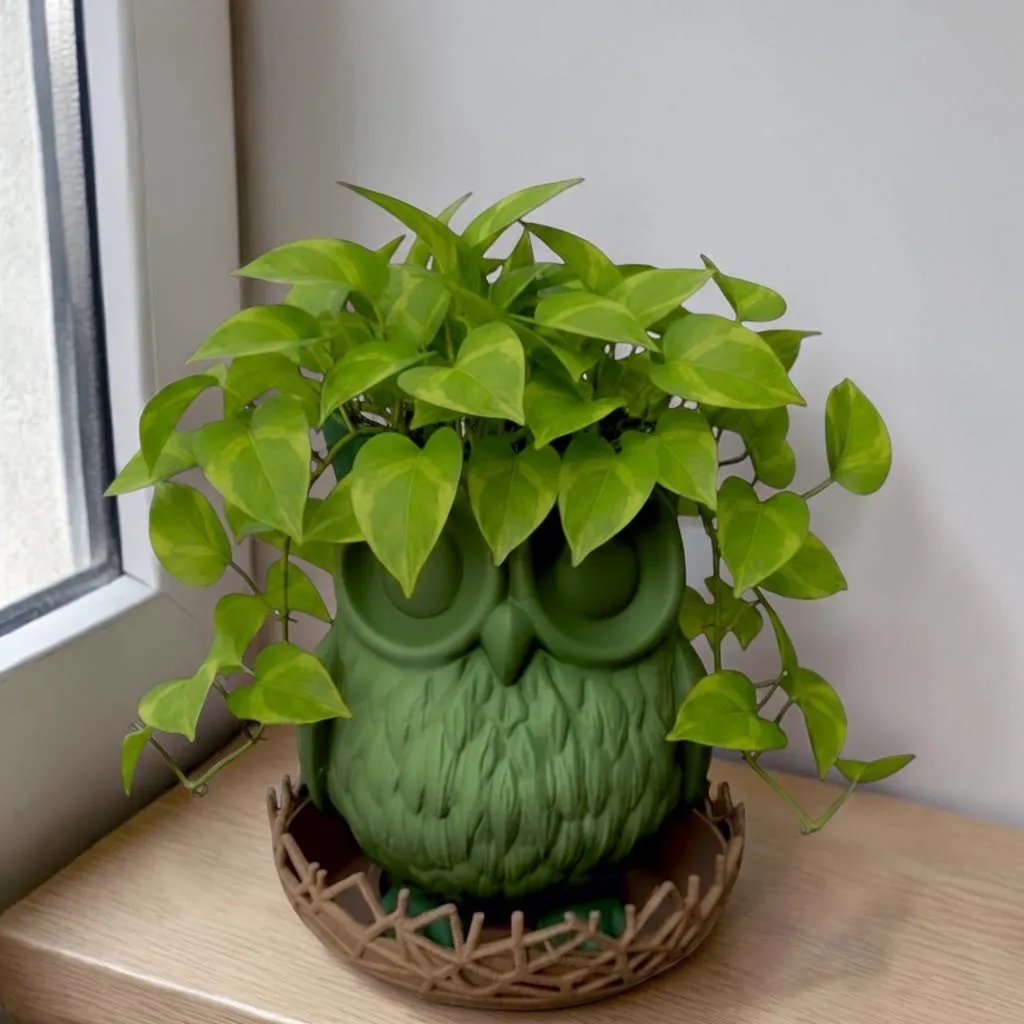
Repotting is one of those tasks people either do too often or put off for years. Get the timing right and it’s one of the biggest favors you can do a houseplant. Here’s how to know when it’s time, and how to do it without setting your plant back.
Signs it’s time to repot
Plants don’t outgrow their pots on a schedule, so watch for the actual signals instead:
- Roots creeping out the drainage hole or circling visibly on top of the soil
- Water runs straight through and out the bottom almost instantly — there’s more root than soil left to hold moisture
- The plant dries out much faster than it used to, needing water every couple of days
- Roots pushing the plant upward, lifting it slightly out of the pot
- Growth has stalled even though light, water, and feeding are all fine
A plant showing a few of these is “root bound” — the roots have filled the available space and have nowhere left to go.
When not to repot
You don’t need to repot on a fixed timeline, and doing it too often does more harm than good. A plant that’s growing well and holding moisture normally is happy where it is. Slightly snug roots are fine — many plants even flower or grow best a little cozy. If nothing on the list above is happening, leave it be.
Timing matters too. Spring and early summer are ideal, because plants are actively growing and recover fastest. Repotting in the dead of winter, when growth naturally slows, gives the plant a harder time bouncing back — so unless something’s urgent, like rot, it’s worth waiting for the growing season.
Choose the right size pot
The most common mistake is jumping to a pot that’s way too big. It feels generous, but a huge pot holds far more soil — and far more water — than a small root system can use. That extra wet soil stays soggy for days, and soggy soil is exactly what causes root rot.
Go up just one size: about 1–2 inches wider in diameter than the current pot. That gives the roots room to grow into without drowning them in unused, waterlogged soil.
Drainage is non-negotiable
Whatever pot you move up to, it needs a way for excess water to escape. A drainage hole lets water drain out after each watering so the soil dries between waterings instead of staying saturated — which is the whole game when it comes to keeping roots healthy. The GrowGrid Owl Planter has a built-in drainage hole for exactly this reason, and pairs with a drip tray to catch the runoff so nothing pools under the pot or marks your furniture.
If you’re set on a decorative pot without a hole, use the “nursery pot” method: keep the plant in a plastic grower’s pot that drains, and set that inside the decorative one. Lift it out to water, let it drain fully, then drop it back in.
How to repot, step by step
- Water the plant a day before. Slightly moist soil holds together and slides out of the old pot more easily than bone-dry soil.
- Ease the plant out. Tip the pot and support the base of the stems — don’t yank on the plant. Squeezing a flexible pot or running a knife around the inside edge helps release it.
- Loosen the roots. Gently tease apart the outer roots with your fingers. If they’re tightly circling the bottom, loosen or trim the worst of them so they’ll grow outward into the new soil instead of continuing to spiral.
- Add fresh soil to the new pot. Put a layer of fresh potting mix in the bottom so the plant will sit at roughly the same depth it did before.
- Center and backfill. Set the plant in, then fill fresh mix around the sides, firming gently. Leave the top of the root ball at the same level as before — don’t bury the stem deeper than it was.
- Water it in. Water thoroughly until it drains from the bottom. This settles the soil around the roots and closes any air pockets.
Aftercare
Don’t be alarmed if your plant sulks for a week or two — a little droop after repotting is normal while roots settle into their new home. Keep it in stable, bright indirect light, hold off on fertilizer for about a month so new roots aren’t pushed too hard, and water only when the top inch or two of soil dries out. Give it a little patience and it’ll reward you with a fresh flush of growth.
Moving your plant into a new home? Shop the pieces below.