
How to Fertilize Your Houseplants (Without Overdoing It)
July 13, 2026
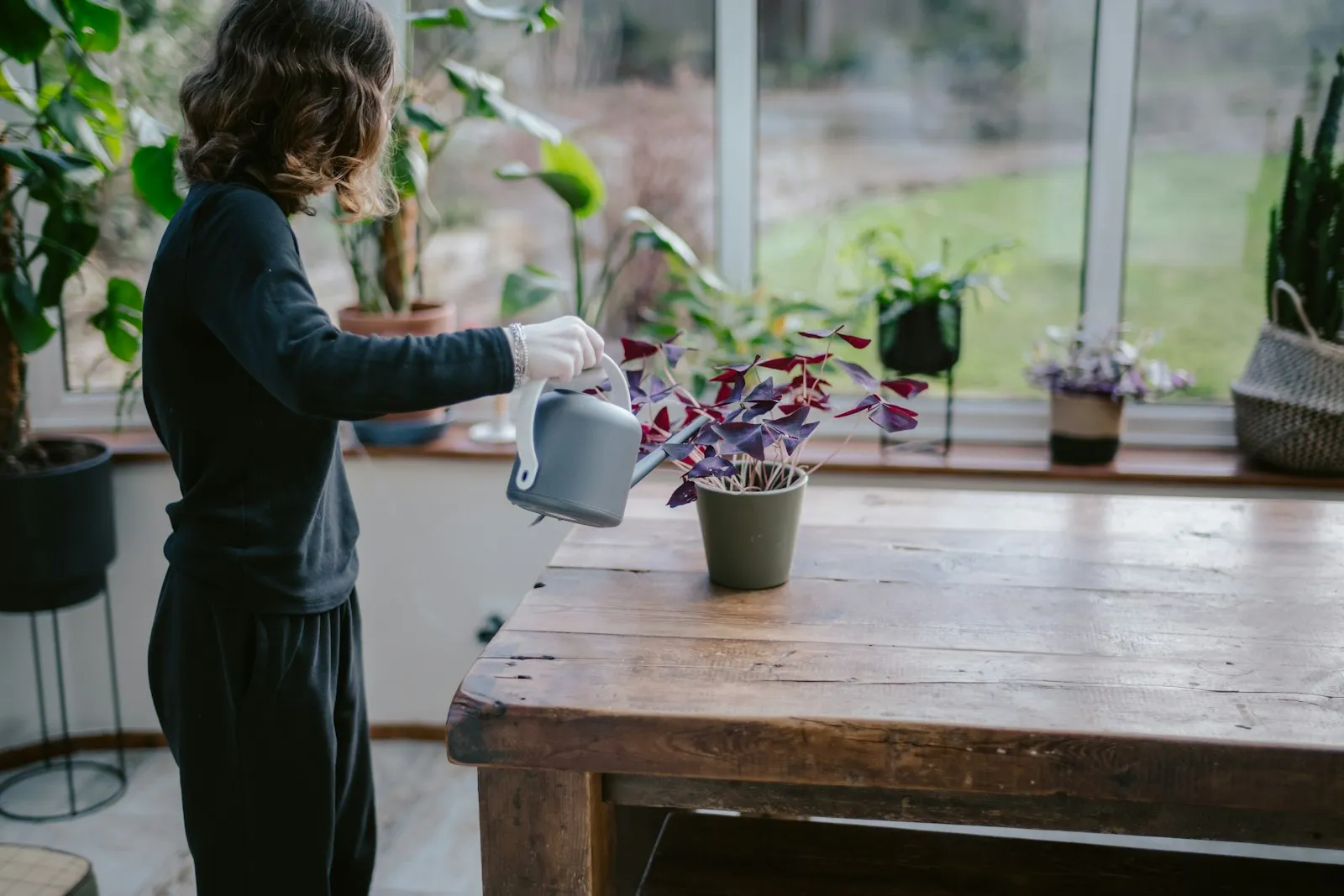
Potting soil isn’t an endless pantry. Every time you water, a little of what’s in the soil washes out, and your plant slowly uses up the rest. Fertilizer is how you top the tank back up. The catch is that more is not better — most houseplant problems that get blamed on “needing food” are actually the result of too much of it. Here’s how to feed your plants confidently without overdoing it.
What fertilizer actually replaces
A houseplant fertilizer is mostly three nutrients, listed on the label as N-P-K: nitrogen for leafy green growth, phosphorus for roots and flowers, and potassium for overall health. A balanced liquid fertilizer for foliage houseplants is all most people need — you don’t have to match a special formula to every plant on your shelf.
The key thing to understand is that fertilizer isn’t medicine. A struggling plant that’s short on light, sitting in soggy soil, or root-bound won’t be fixed by feeding it — and feeding a stressed plant often makes things worse. Fertilizer only helps a plant that’s otherwise healthy and actively growing.
Feed with the seasons
Most houseplants grow actively in spring and summer, when days are longer and brighter, and slow way down in fall and winter. Match your feeding to that rhythm: fertilize during the growing season, and ease off — or stop entirely — once growth slows for the year. Clemson’s Home & Garden Information Center puts it simply: if plants go into a winter rest period, do not give them fertilizer.
Feeding a plant that isn’t growing doesn’t push it to grow faster. The nutrients just sit in the soil with nothing to absorb them — which is exactly how you end up overfeeding.
Less is more: how to dose
When in doubt, dilute. A reliable approach is to mix a liquid fertilizer to about half the strength the label recommends, and apply it roughly every two to four weeks through the growing season. Half strength, more often, is far safer than full strength all at once.
A few rules that keep you out of trouble:
- Never fertilize bone-dry soil. Water first, or fertilize soil that’s already lightly moist. Concentrated fertilizer on dry roots can scorch them.
- Read the label, then back off. The dose on the bottle is a ceiling, not a target.
- When you’re unsure whether to feed, don’t. Skipping a feeding never hurt a houseplant. Overdoing it routinely does.
Know the signs of overfeeding
Overfertilizing is easy to miss because at first it looks like a lot of other problems. Watch for a white, crusty film building up on the soil surface or around the rim and drainage hole of the pot — that’s mineral salt from excess fertilizer. Left unchecked, that salt buildup can lead to root damage, brown leaf tips, dropping lower leaves, and wilting.
If you spot that crust, stop fertilizing and flush the pot: take it to a sink and run water through the soil several times, letting it drain fully each time. That rinses the accumulated salts out through the drainage hole — which is one more reason a pot that actually drains makes everything easier.
When to skip fertilizer entirely
There are a few times to hold off no matter the season:
- Right after repotting. Fresh potting mix already contains nutrients, and tender new roots don’t need to be pushed. Wait about a month before you start feeding again.
- On a newly bought plant. Give it a few weeks to settle into your home’s light and humidity before adding anything.
- On a sick or pest-stricken plant. Sort out the underlying problem first. Fertilizer won’t cure it and can add stress.
Feeding your plants well is less about a perfect schedule and more about restraint: a little, at the right time of year, on a plant that’s already thriving. Get that rhythm right and you’ll grow lush, healthy foliage — without ever burning a single leaf.
Photo by Annie Spratt on Unsplash.