
How Much Light Do Pothos & Monstera Need?
July 10, 2026
Pothos and Monstera are famously forgiving, which is exactly why light is the thing most people get a little wrong. They’ll survive in a dim corner — but “survive” and “thrive” look very different. Here’s what these plants actually want.
What “bright, indirect light” means
You’ll see this phrase on every care tag, and it’s genuinely the sweet spot for both plants — but it’s vague. In practice, bright indirect light means a spot that feels bright and open, where plenty of daylight reaches the plant, but where direct rays aren’t hitting the leaves for hours at a time.
A simple test: hold your hand a few inches above the plant on a sunny day. If it casts a soft, fuzzy shadow, you’re in good indirect light. A hard, sharp-edged shadow means the light is direct — fine in small doses, but too much of it will scorch these tropical leaves.
Reading your windows
Where you place the plant matters more than which room it’s in:
- East-facing window — gentle morning sun, then bright light the rest of the day. Close to ideal, and you can usually set the plant right on the sill.
- South or west window — the brightest, but direct afternoon sun can burn the leaves. Pull the plant a few feet back, or filter the light with a sheer curtain.
- North-facing window — soft and steady, but on the dim side. Both plants will manage here; just keep them close to the glass and expect slower growth.
- Interior corners — pothos will hang on for a long time in low light, but a monstera will start to struggle. If a spot gets no real daylight, it’s not a long-term home for either.
Signs your plant wants more light
Plants tell you when the light is off. With too little, watch for:
- Long, stretched-out stems with big gaps between leaves (“legginess”) as the plant reaches for a window
- New leaves coming in smaller than the old ones
- A Monstera that stops producing its signature splits and holes — fenestration takes real light to develop
- Faded or reverting variegation on a variegated pothos
Signs of too much light
Direct sun causes the opposite problem:
- Pale, washed-out, or yellowing leaves
- Crispy brown or bleached patches where the sun hits hardest
- Dry soil that seems to need water constantly
If you see this, move the plant back from the window or add a sheer curtain — the fix is usually just a foot or two of distance.
A few easy habits
Rotate the pot a quarter-turn every week or two so every side gets its share and the plant grows evenly instead of leaning toward the glass. Wipe dust off the leaves now and then — a dusty leaf literally collects less light. And if your brightest window still isn’t enough, a basic LED grow light fills the gap, especially through the short days of winter.
Light and climbing go together
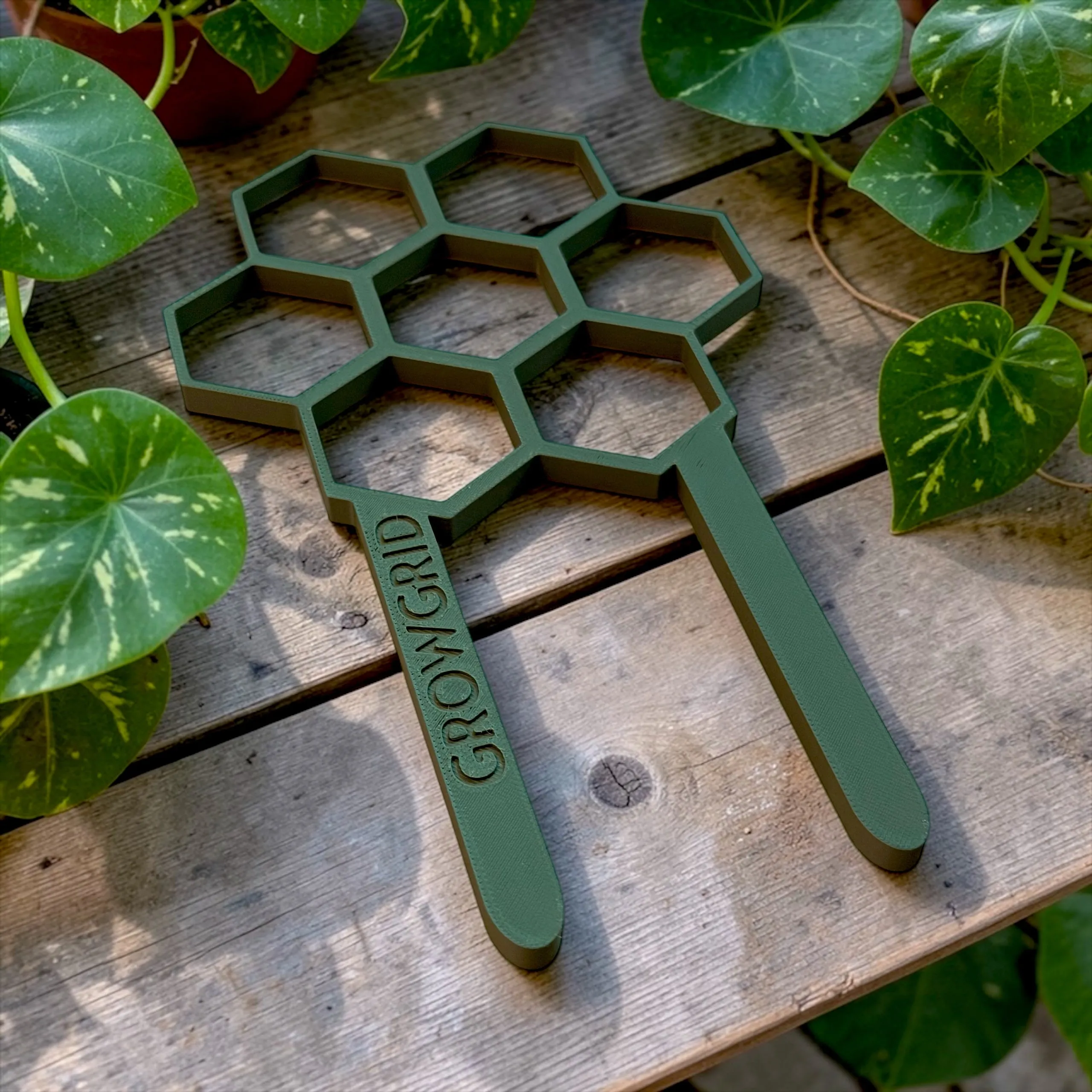
Here’s the part people miss: better light doesn’t just keep these plants alive, it makes them climb. A Monstera or Pothos with enough light and something to grip will start putting out bigger, more mature leaves — the dramatic, fenestrated growth you actually bought the plant for. Give them a bright spot and a support to grow up, and they reward you fast.
Ready to give your climbers something to grow on? Shop the pieces below.