
Does Tap Water Hurt Your Houseplants?
August 24, 2026
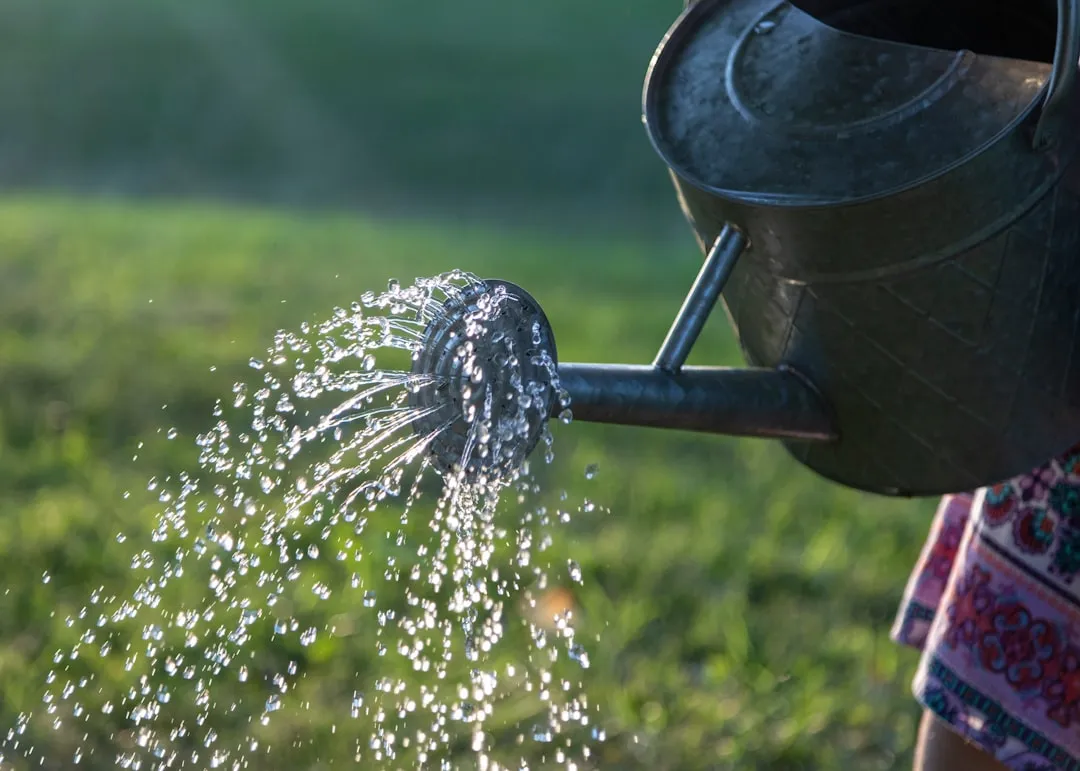
You’ve probably run into the advice: let your water sit out overnight, or buy distilled, or your plants will suffer. For most houseplants that’s closer to ritual than necessity. But there is a real version of this question — a few plants genuinely mind what’s in the tap, and one kind of household water is worth avoiding entirely. Here’s how to tell which situation you’re in.
The short answer
If you’re growing pothos, monstera, philodendron, snake plants, or most of the other common houseplants, ordinary tap water is fine. These are tough, adaptable plants, and the water coming out of your kitchen faucet is treated to be safe for you to drink — which turns out to be well within what they can handle.
The exceptions are worth knowing about, but they’re exceptions. Don’t start buying jugs of distilled water for a pothos.
What’s actually in tap water
Three things, mostly:
A disinfectant. Municipal water is treated with either chlorine or chloramine to keep it free of bacteria on its way to your house.
Fluoride. Many public water systems add it at low levels for dental health.
Dissolved minerals. Calcium and magnesium, picked up from rock as the water moves through the ground. More of them means “harder” water — that’s the stuff that leaves a white ring in your kettle.
All of these are present at concentrations chosen with people in mind. The reason they matter at all for plants is that soil doesn’t reset between waterings. A little bit of whatever’s dissolved in the water stays behind each time and gradually concentrates in the pot. So it’s rarely a single watering that causes trouble — it’s a year of them.
The plants that genuinely are fussy
A handful of common houseplants are noticeably sensitive to chlorine and fluoride: spider plants, dracaena (including the corn plant), calathea and prayer plants, and carnivorous plants like Venus flytraps. Iowa State’s extension service notes that too much chlorine and other chemicals in the water, such as fluoride, can cause brown leaf tips, especially over an extended period on sensitive species.
The symptom is specific: dry, brown, crispy tips and edges, usually appearing on older leaves first and creeping inward over months.
Here’s the important caveat, though. Brown tips have several much more common causes — dry air, letting the plant go bone dry between waterings, and fertilizer salts building up in the soil. Before you blame the tap, rule those out. If your pothos has one brown tip, that’s not a water chemistry problem. If your spider plant has browned on every single leaf and the air in your home isn’t especially dry, then water is worth investigating.
Does letting the water sit out actually work?
It depends entirely on what your utility uses, which is the part most advice leaves out.
Chlorine is volatile — leave a container of chlorinated water on the counter overnight and a good deal of it escapes into the air. That’s the whole basis of the sitting-out trick.
Chloramine is different. It’s chlorine combined with ammonia, and utilities choose it precisely because, as the EPA puts it, chloramines provide longer-lasting disinfection as the water moves through pipes to consumers. That stability is the point — and it means sitting in an open jug doesn’t get rid of it in any useful timeframe.
If you want to know which one you have, your water utility publishes an annual water quality report and it will say. And if it turns out to be chloramine, sitting your water out isn’t useless — it still brings it to room temperature, which is a small kindness to tropical roots.
Softened water is the one to actually avoid
This is the real answer to “can tap water hurt my plants,” and it has nothing to do with chlorine.
A mechanical water softener works by swapping out the calcium and magnesium that make water hard and replacing them with sodium. That’s great for your plumbing and terrible for your pots. Penn State Extension is blunt about it: water from a mechanical softener has a harmful effect on plant growth, because over long periods sodium becomes toxic to plants and degrades the structure of the soil around their roots.
If your home is on a softener, find an unsoftened tap. Outdoor spigots are very often plumbed in ahead of the softener, and many installs leave the kitchen cold tap untreated as well. Rainwater in a bucket works too. It’s worth the two minutes to figure out which of your taps is which.
Hard water and the white crust
If you have hard water, you’ll eventually see a chalky white crust on the soil surface or a pale ring around the inside rim of the pot. That’s minerals and fertilizer salts left behind as water evaporates. Mostly cosmetic in the short run, but it does keep accumulating.
The fix is how you water in the first place. Water thoroughly — enough that it runs out the bottom — rather than giving a small splash each time. Runoff carries dissolved salts out of the pot with it instead of concentrating them. Every few months, take the plant to the sink and flush it: run water through the pot several times and let it drain completely each time.
That only works if the pot actually drains, which is one more reason drainage matters as much as it does. And empty the tray afterward — a pot sitting in its own salty runoff just soaks it back up.
If you want to upgrade your water anyway
Rainwater is the best option and it’s free. It has no added chlorine, no fluoride, and virtually no dissolved minerals. A bucket or barrel outside is all it takes, and your plants will notice.
Distilled or reverse-osmosis water is the reliable choice for the genuinely sensitive plants — the calatheas and carnivorous plants of the world. It’s overkill for anything else.
A carbon pitcher filter is the in-between option. It’ll reduce chlorine, but it isn’t designed to strip out fluoride or dissolved minerals, so it doesn’t solve the hard water or fluoride side of things.
What actually matters more
Water chemistry is a fine-tuning problem. The things that make a real difference to a houseplant are much less exotic: watering thoroughly instead of in small sips, letting the top of the soil dry out before the next round, using a pot that drains, and keeping the air from getting too dry in winter.
Get those right with plain tap water and your plants will do better than they would on distilled water and a bad routine.
Photo by David Ballew on Unsplash.