
Terracotta, Plastic, or Ceramic? How Your Pot Changes Your Watering
October 12, 2026
Two identical pothos, same soil, same window. You water both on Sunday. By Wednesday one is bone dry and the other is still damp an inch down. The only difference is the pot.
Most people pick a pot by how it looks, which is fine. But the material decides how fast the soil dries, and that decides how often you should be watering. Once you know how each one behaves, a lot of “why is this plant always thirsty?” questions answer themselves.
Unglazed terracotta breathes
Plain terracotta is clay fired without a glaze, and it’s porous. Water moves into the walls of the pot and evaporates off the outside, so the soil loses moisture through the sides as well as the top. Air gets in the same way.
That makes terracotta forgiving if you tend to overwater. The pot pulls extra moisture out of the soil for you, and roots are less likely to sit in soggy mix. The trade-off is that you’ll water more often, especially in a warm room or a sunny window.
A couple of things to expect:
- A white crust on the outside. Minerals from your water and fertilizer get carried through the clay and left behind as the water evaporates. It’s harmless to the plant. Scrub it off with a stiff brush if it bothers you.
- A thirsty pot. A brand-new, bone-dry terracotta pot soaks up a surprising amount of the first watering. Water it twice that first time, or give the empty pot a soak before you plant.
Plastic and glazed ceramic hold water in
Plastic isn’t porous, and neither is ceramic with a glaze on it. The only ways for water to leave are the drainage hole and the surface of the soil. So the mix stays moist noticeably longer than it would in clay.
That’s not a flaw. It’s useful for plants that like to stay evenly moist, and it means less frequent watering for you. It just leaves less room for error. Water on a fixed schedule instead of checking the soil and you can end up with a plant that never gets a chance to dry out.
A glazed pot will also be heavier than plastic, which matters for a tall climber that’s prone to tipping, and less so for a small plant on a shelf.
Match the pot to the plant
The general rule, which Colorado State’s PlantTalk program spells out: plants that like to dry out between waterings do well in unglazed clay, and plants that like steady moisture do well in plastic or glazed ceramic.
Good in terracotta: cacti, succulents, snake plants, and anything you’ve struggled with root rot on.
Good in plastic or glazed ceramic: ferns, calatheas, nerve plants, and other moisture lovers that sulk when they dry out.
Pothos, monstera, and philodendron sit in the middle and do fine in any of them. Just adjust your watering to the pot instead of the calendar. In terracotta, check them sooner. In plastic or glazed ceramic, wait a bit longer and make sure the top couple of inches have dried before you water again.
Don’t switch materials and keep the same routine
The most common pot-related mistake is repotting a plant from plastic into terracotta (or the other way around) and carrying on exactly as before.
Going from plastic to terracotta, the plant will suddenly dry out faster and may droop before you expect it to. Going from terracotta to glazed ceramic or plastic, the soil will stay wet longer, and watering on the old schedule is an easy road to yellow leaves and root rot. For the first few weeks after a move, check the soil with your finger before every watering until you learn the new rhythm.
The drainage hole matters more than the material
Whatever the pot is made of, it needs a way for extra water to get out. A gorgeous glazed pot with no hole is the riskiest combination of all: non-porous walls and nowhere for the water to go.
If you love a pot that doesn’t drain, keep the plant in a plastic nursery pot with holes and set it inside, lifting it out to water. And whatever you choose, put something underneath to catch the runoff, then empty it so the pot isn’t sitting in a puddle.
Where GrowGrid planters fit
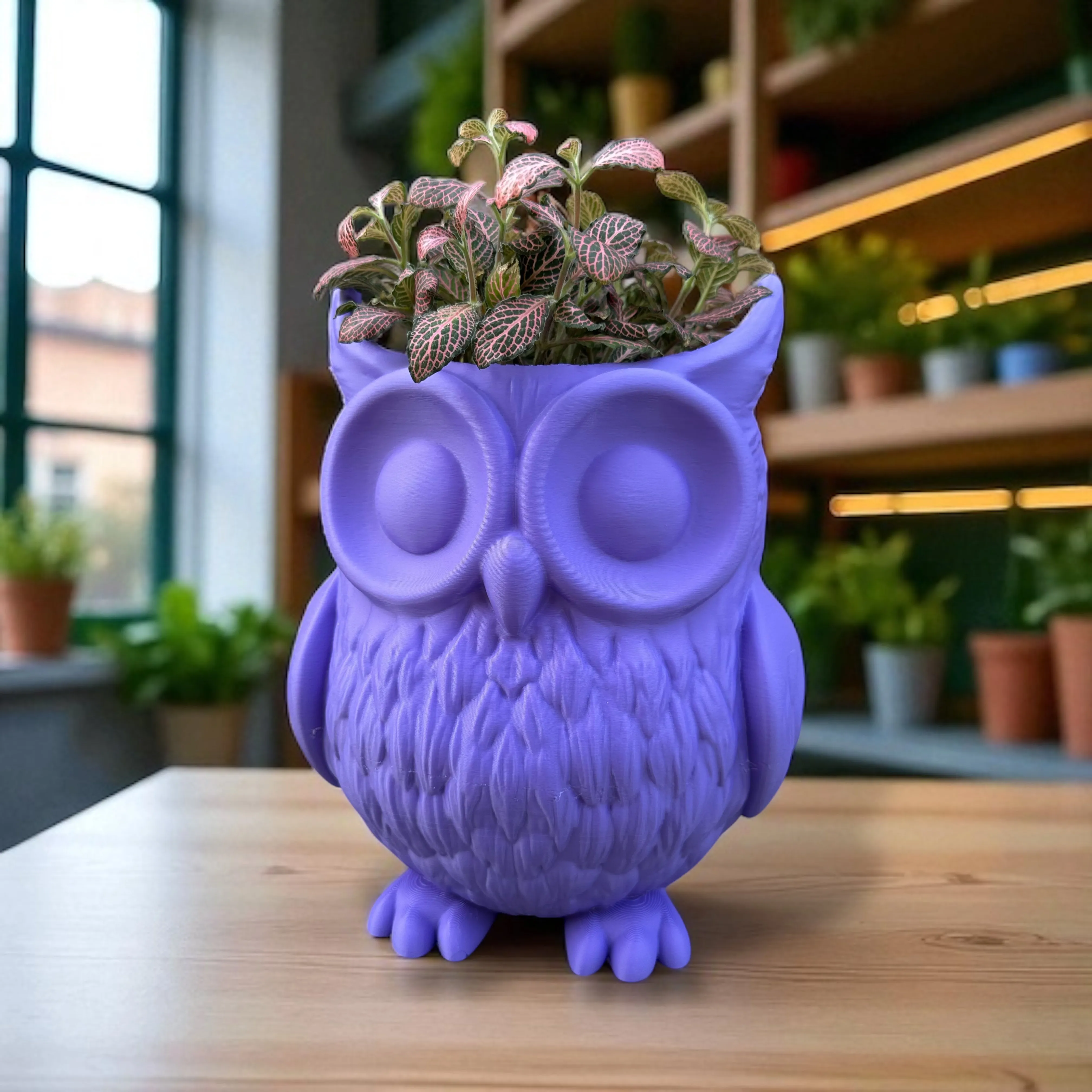
The GrowGrid Owl Planter is made from plant-based PLA, so on the porous-versus-non-porous spectrum it sits with plastic: water leaves through its built-in drainage hole and the soil surface, not through the walls. Treat it like a plastic pot, letting the top of the soil dry before you water again. It’s a good match for moisture-loving plants like the nerve plant in the photo above. Pair it with a drip tray to catch what drains out.
Ready to get started? Shop the pieces below.