
How to Raise Humidity for Tropical Houseplants
July 10, 2026
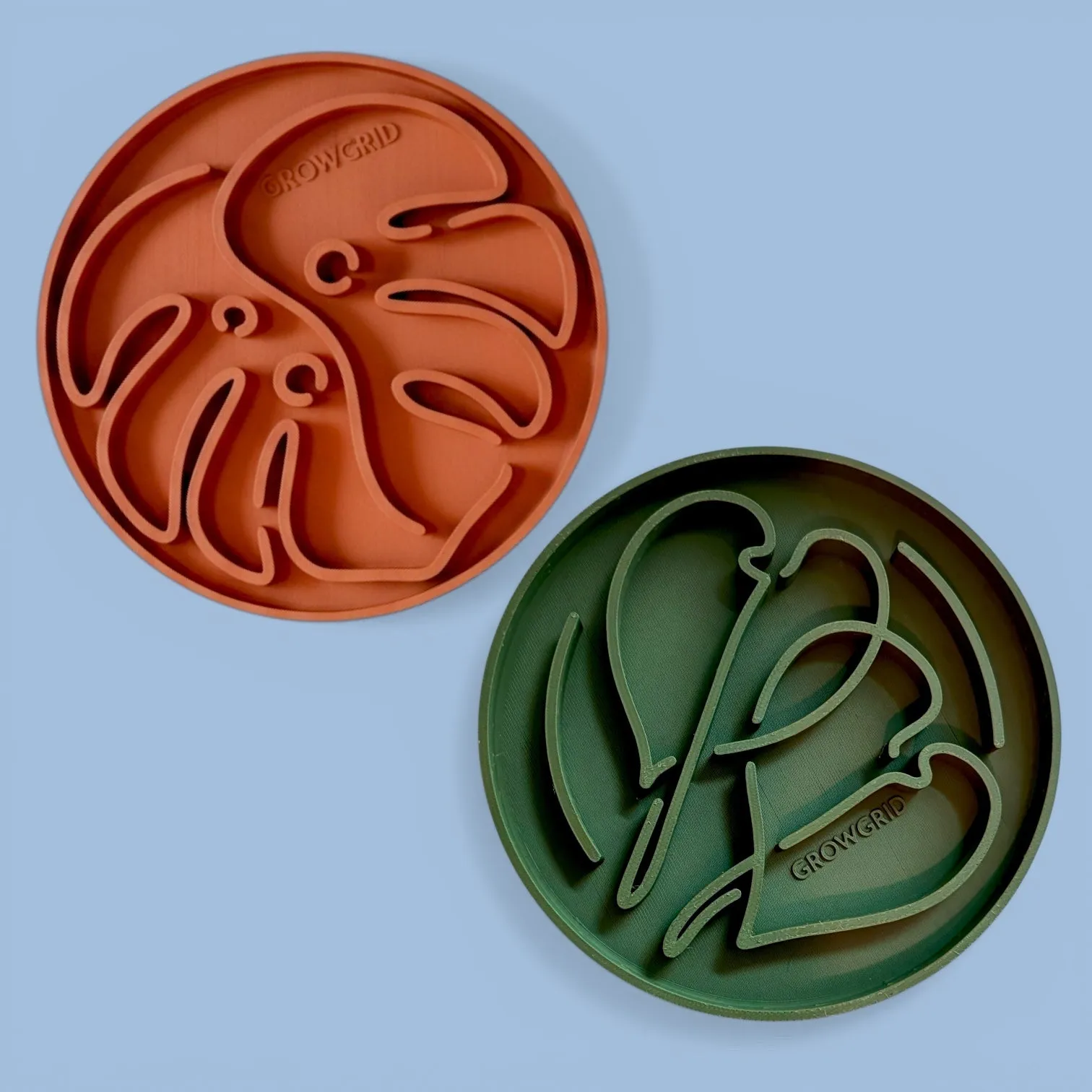
Most of the houseplants we love — Monstera, Pothos, Philodendron, Calathea, ferns — come from humid tropical forests. Your living room, especially in winter with the heat running, is usually a lot drier than that. Closing the gap is one of the easiest ways to keep tropical plants looking their best.
Why humidity matters
Tropical plants evolved in air that stays damp most of the time. When the air around them is too dry, they lose moisture through their leaves faster than their roots can replace it. Over time that shows up as stress — even when you’re watering perfectly.
Humidity isn’t a substitute for good watering, drainage, or light. But for tropicals, it’s the fourth piece that quietly makes everything else work better.
Signs your air is too dry
You don’t need a gadget to spot low humidity — the plants will tell you:
- Crispy brown leaf edges or tips, especially on thinner-leaved plants like Calatheas and ferns
- New leaves that struggle to unfurl or come out smaller than expected
- Persistent leaf curling even when the soil moisture is fine
- Faster-than-usual drying between waterings
Dry air tends to be worst in winter, when heating systems pull moisture out of a room, and in homes with strong AC in summer.
Group your plants together
The simplest fix costs nothing. Plants release water vapor through their leaves as they transpire, so clustering several together creates a slightly more humid pocket of air around all of them. A shelf or corner with a few plants grouped close will hold more moisture than the same plants scattered across separate rooms.
Use a humidity tray
A humidity tray is one of the most reliable low-effort options. Add a thin layer of water and a handful of pebbles (or a little moss) to a tray, then set your pot on top of the pebbles so the base sits above the water line, not in it. As the water slowly evaporates, it raises the humidity right around the plant — without leaving the roots sitting in standing water, which is what causes rot.
The GrowGrid Leaf Drip Tray is built to do exactly this. It catches runoff like a normal saucer, but the raised leaf detailing keeps the pot slightly elevated and gives you a base for the pebbles-and-water setup. One tray handles both jobs — drainage and humidity.
Pick the right room
Some rooms are naturally more humid than the rest of your home. Bathrooms with a shower and kitchens near the sink tend to hold more moisture in the air, and many tropicals are happy to live there as long as they still get enough light. If a plant is chronically unhappy with dry air, moving it to a naturally damper room is sometimes the whole solution.
A note on misting
Misting gets recommended a lot, but it’s the least effective option on this list. A spray of water evaporates within minutes, so the humidity bump is brief — you’d have to mist many times a day to make a real difference. It’s not harmful in moderation, but if you want a lasting change, grouping plants and a humidity tray will do far more for far less effort.
The takeaway
You don’t need to turn your home into a greenhouse. Most tropical houseplants just want more humidity than a dry, heated room provides — and small, steady changes get you most of the way there. Group your plants, give them a humidity tray, and lean on the naturally damper rooms in your home.
Ready to give your tropicals a humidity boost? Shop the pieces below.