
How to Clean Your Houseplant's Leaves (and Why It Matters)
July 13, 2026
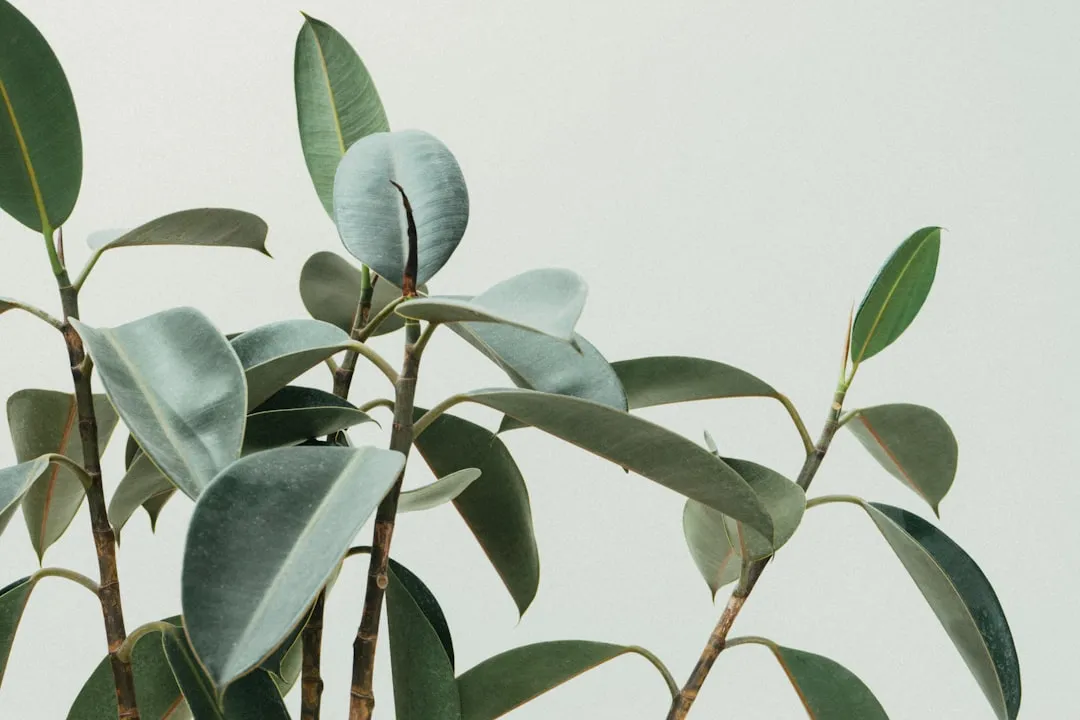
It’s the easiest houseplant chore to forget. You water, you check for pests, you rotate toward the light — but the leaves themselves slowly gather a film of dust, and one day your once-glossy Pothos just looks a little tired. The fix takes about five minutes and makes a real difference.
Why dust is actually a problem
A leaf is a solar panel. A film of dust dulls the surface and cuts down the light the leaf can actually absorb — and since light is how a plant feeds itself, cleaner leaves simply grow better. Clemson’s Home & Garden Information Center puts it plainly: clean leaves favor healthy growth, and cleaning also helps control insects.
That pest angle is the part people miss. Spider mites in particular love dusty, undisturbed leaves — wiping the foliage down regularly disturbs them and gives you a close look at the undersides, which is exactly where infestations start before you’d ever notice them from across the room.
How often to do it
There’s no strict schedule. A good rule of thumb: if you can see dust when you tilt a leaf toward the window, it’s time. For most homes that lands somewhere around once a month, a little more often if you’re near a busy street, run forced-air heat in winter, or have pets.
Big, flat-leaved plants like Monstera, rubber plants, and Pothos show dust the most and benefit the most from wiping. Fuzzy-leaved plants and tiny-leaved trailers need a gentler approach — more on those below.
The best way to clean smooth leaves
For anything with broad, smooth leaves, a damp cloth is all you need:
- Use plain room-temperature water — cold water can spot or shock some tropicals. Skip soap.
- Support the leaf from underneath with one hand so you’re not bending or creasing it.
- Wipe gently from the base of the leaf out toward the tip, top side first.
- Flip it and do the underside too. This is where dust, mites, and their eggs actually hide.
Work your way around the plant a few leaves at a time. A microfiber cloth grabs dust better than a paper towel and won’t leave lint behind.
For big plants, fuzzy leaves, and tiny leaves
If a plant has too many leaves to wipe one by one, take it to the shower or sink and rinse it with a gentle, lukewarm spray. Let it drain fully before it goes back on its saucer — you don’t want it sitting in water.
Fuzzy-leaved plants like African violets don’t like water sitting on their leaves, so skip the cloth and use a soft, dry brush (a clean makeup brush or paint brush works) to flick the dust off instead. For densely trailing, small-leaved plants, the rinse method is far easier than chasing individual leaves.
What to skip
Leaf-shine products — and the old kitchen tricks like milk, mayonnaise, or vegetable oil — are worth skipping. They can leave a coating that traps more dust over time and clogs the tiny pores the leaf uses to breathe. A clean, damp cloth gives you the natural shine without any of that.
The whole point is to get out of the leaf’s way: no dust film, nothing clogging the surface, just more light reaching the plant. Add it to your watering routine — cloth in one hand, watering can in the other — and it stops being a chore you forget.
Photo by Scott Webb on Unsplash.