
How to Keep Your Houseplants Alive While You're Away
October 2, 2026
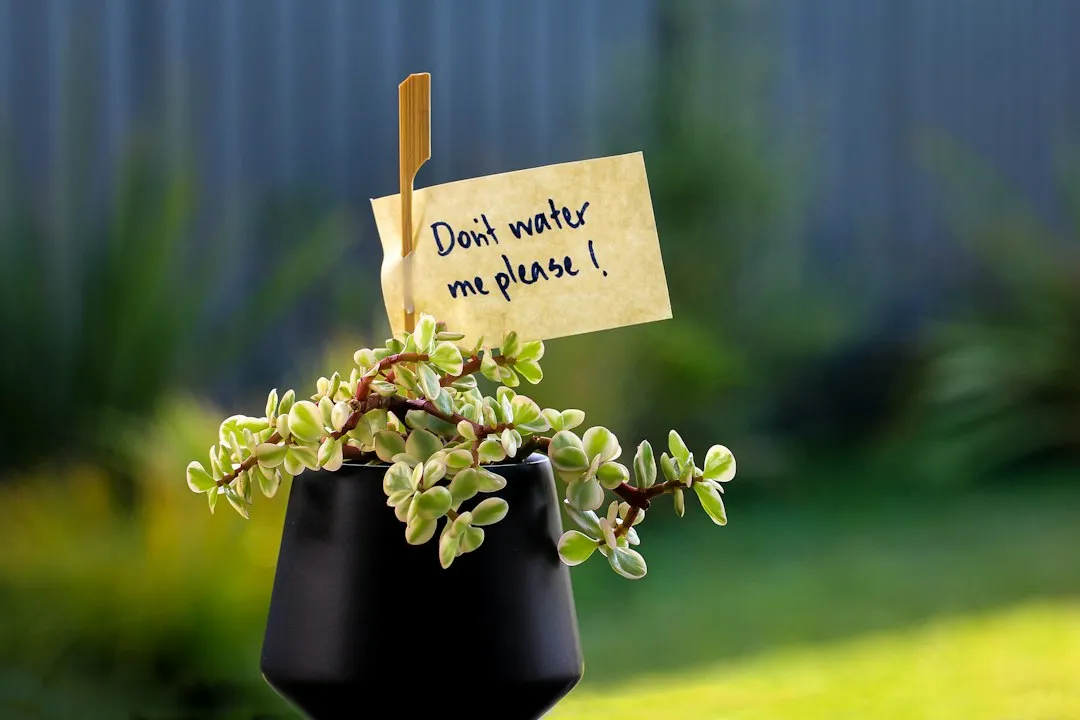
Travel season has a way of sneaking up on your plants. You’ve got a bag packed, a ride to the airport, and a shelf of pothos that’s never gone more than a week without you. The good news: most houseplants handle a short absence much better than you’d expect, and a little prep the day before covers almost everything else. Here’s how to plan for it based on how long you’ll be gone.
How long is too long?
Start by being honest about the trip length, because the right plan depends on it.
A long weekend (up to about 4 days). Water everything thoroughly the day before you leave and go enjoy yourself. Nearly any healthy houseplant can ride this out.
One to two weeks. This is where a bit of prep pays off. A deep watering plus the tricks below will carry most common tropicals — pothos, monstera, philodendron, snake plants, ZZ plants — through comfortably.
Longer than two weeks. Plan on a plant sitter, or at least a self-watering setup you’ve tested in advance. Even tough plants start to struggle after a few weeks with no attention at all.
Water deeply the day before — not the morning of
Give every plant a thorough soak a day or so before you go: water until it runs out the bottom, let it drain completely, then empty the tray. A pot that leaves sitting in a saucer of water is set up for soggy roots, and you won’t be there to notice.
Watering a day early instead of the morning you leave gives you a chance to confirm everything has drained and nothing is leaking onto the floor or a windowsill.
One exception: succulents and cacti. If yours were watered in the last week or two, leave them alone. They’d much rather go a little dry than sit wet while you’re away.
Pull plants back from the window
It feels backwards, but less light is your friend while you’re gone. A plant in bright, direct sun dries out much faster than one a few feet back in bright, indirect light. Moving sun-loving plants a few feet away from south- or west-facing windows slows down how quickly they use water.
The same goes for heat. Keep plants away from radiators, heating vents, and the top of the fridge, all of which dry soil out quickly.
Group them together
Clustering your plants in one spot — a bathroom with a window, or a corner of a bright room away from direct sun — does two useful things. The plants raise the humidity around each other slightly, which slows how fast they lose moisture through their leaves. And it puts everything in one place, which makes life much easier for anyone checking in on them.
Simple DIY watering tricks
If you’ll be gone longer than a week, one of these will buy you extra time. Whichever you choose, try it for a few days before the trip so you know it actually works with your pots and potting mix.
Wick watering. Set a jar or bowl of water next to the plant, push one end of a cotton or nylon cord a couple of inches into the soil, and drop the other end into the water. The cord slowly pulls water up into the pot as the soil dries. Soak the cord first so it starts wicking right away, and keep the water container at or above the level of the soil.
The bathtub method. Lay an old towel in the bottom of the tub, add an inch or two of water, and set your pots (with drainage holes) on top. The pots draw up water from the bottom as they need it. This works well for a cluster of small and medium plants. It’s best for one to two weeks — much longer and the soil can stay too wet.
A loose plastic tent. For a small, humidity-loving plant, water it well and then loosely cover it with a clear plastic bag, propped up with a couple of chopsticks so the plastic doesn’t touch the leaves. It acts like a mini greenhouse and keeps moisture from escaping. Keep a tented plant out of direct sun, or it’ll cook.
Hold off on the extras
Skip fertilizing for a couple of weeks before you leave. Fertilizer encourages new growth, and new growth needs more water — exactly what you don’t want while nobody’s home.
The same goes for repotting, which stresses roots and leaves a plant needing extra attention for a few weeks. Save that project for when you’re back. And if you were planning to prune, do it after the trip too.
If you’re using a plant sitter
A friend checking in is the most reliable option for longer trips, but well-meaning plant sitters drown more plants than they save. Leave clear, simple instructions:
- Which plants need water, and which don’t. A sticky note on each pot works well. (“Water if the top inch is dry” for the pothos; “Leave alone” for the succulents.)
- How to check before watering. Show them how to push a finger an inch into the soil. Dry means water; damp means wait.
- How much. Until water runs out the bottom, then empty the tray.
- Anything unusual. If you have a moss pole, mention whether the moss needs a spritz too.
It also helps to group the thirstiest plants together in one place so your sitter doesn’t have to hunt.
When you get home
Resist the urge to soak everything the moment you walk in. Check each plant first: if the soil is dry, water thoroughly; if it’s still damp, wait. A few droopy leaves on a plant that dried out will usually perk back up within a day of a good watering.
Then move everyone back to their usual spots, pull off any leaves that yellowed while you were gone, and pick your regular routine back up from there.
Photo by Sandy Millar on Unsplash.